SLES Dilution System
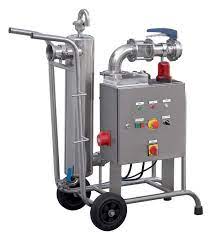
SLES Dilution System, Sodium Lauryl Ether Sulphate (SLES) is a surfactant commonly used in the manufacture of cleaning products, soaps, shampoos and even toothpaste.
SLES Dilution System; It is usually given to manufacturers at concentrations above 70% of liquids. Due to its physical properties, this concentrated solution is difficult to handle and must be diluted below 27% before processing.
Working Principle of SLES Dilution System
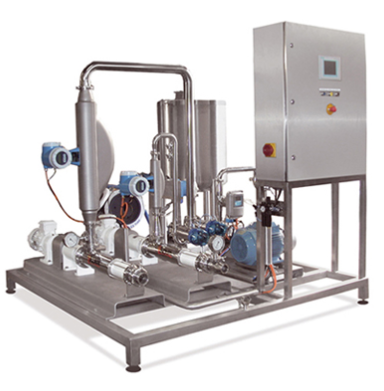
Concentrated SLES and water are continuously dispersed and mixed as they enter the high shear mixer. The mixer’s stator with several rows of concentric teeth ensures complete in-line dilution.
The equipment has mass flow meters that feedback the flow of each fluid to the controller, achieving the desired concentration of SLES at 27%. Optionally, minority products can be dispensed into waterline products such as preservatives or pH regulators.
Technicial Specifications
- Pump : Monopump
- Mixer : Multi-tooth Mixer
- Valve : Butterfly Valve
- Material :
- Parts in contact with the product: AISI 316L
- Other steel parts: AISI 304
- Gasket in contact with the product:/o-ring EPDM-NBR
- Enclosure: AISI 304
- Flowmeter : Mass AISI 316
- Mechanical Seal : Pump C/Cer/NBR
- Mixer: C/SiC/EPDM
- Electrical Control: PLC panel with 9” inch screen
- Connection : Clamp (Other connections are available upon request.)
Options
- Dosage of minority products on the waterline
- PH Control
- Sampling valve in discharge pipe
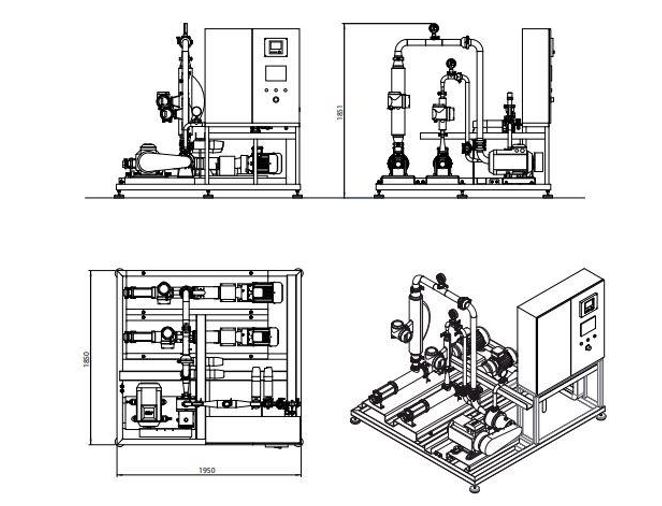
Measurement
SLES Dilution System Standard Equipment

Related products
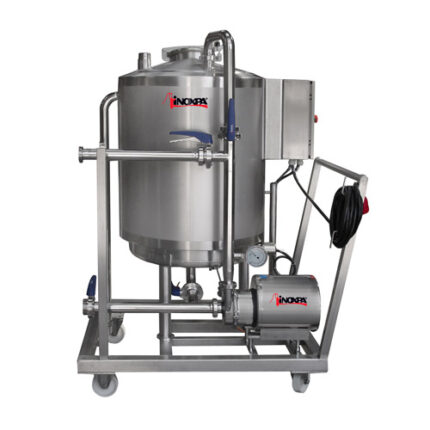
CIP Manual Mobile System
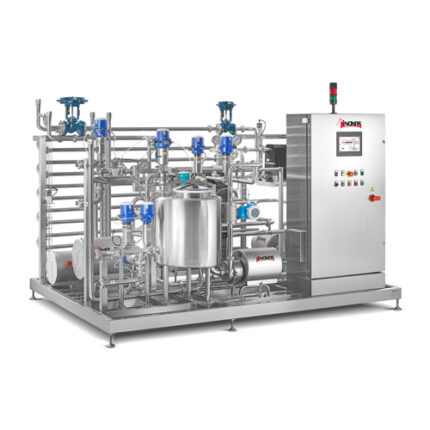
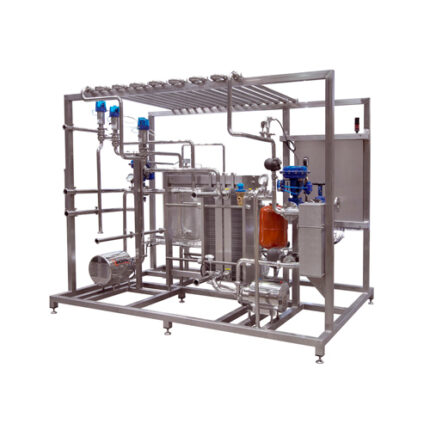
Pasteuriser
Pasteuriser (HTST) is designed for the thermal treatment of milk and dairy products as well as other food products as soft drinks and juices. The process destroys pathogenic microorganisms by heating the product to a moderately high temperature for a brief period. Other working parameters to be consulted.
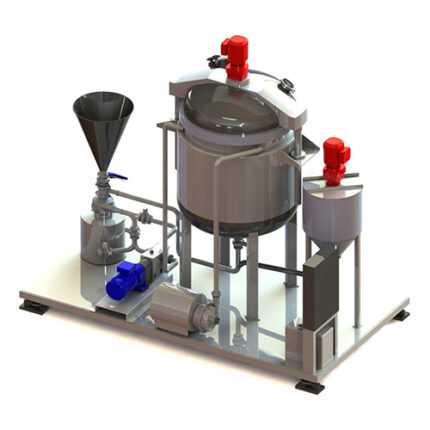
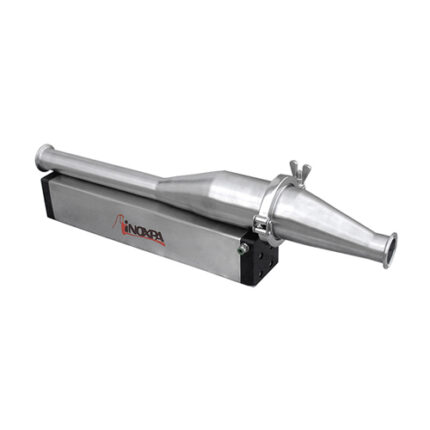
Steripig Product Recovery System
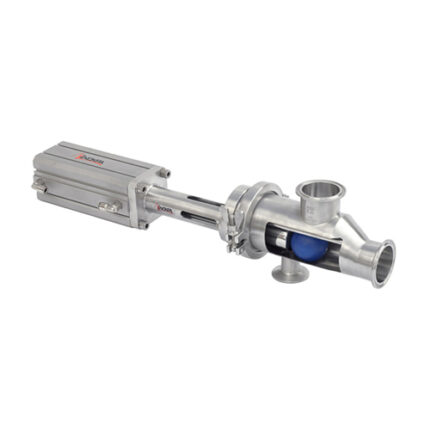
Sil Pig Product Recovery System
Deaerating Flowmeter